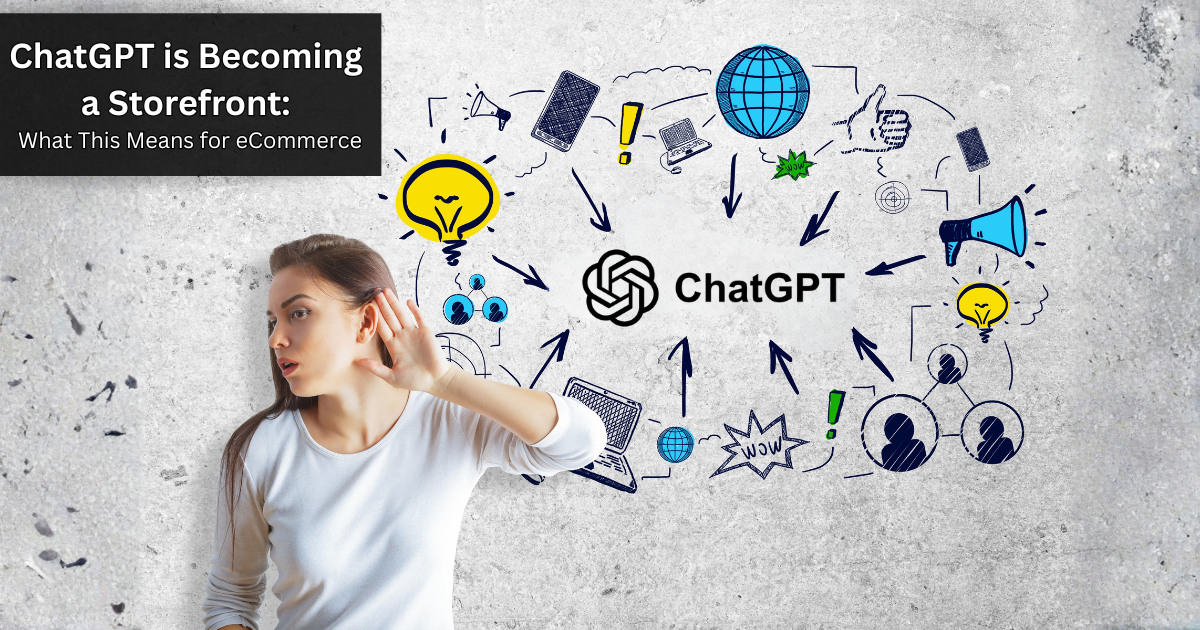
For years, eCommerce has been shaped by search engines, marketplaces, and social ads. But in 2025, a new player entered the scene – ChatGPT Shopping. OpenAI officially began testing conversational product discovery and in-chat checkout, signaling the start of a new era: true conversational commerce.
This shift is bigger than another ad platform. It changes how people find what they want. Instead of browsing endless product grids, users can simply describe what they need – and ChatGPT will recommend matching products from approved merchants. It’s frictionless, fast, and deeply personalized.
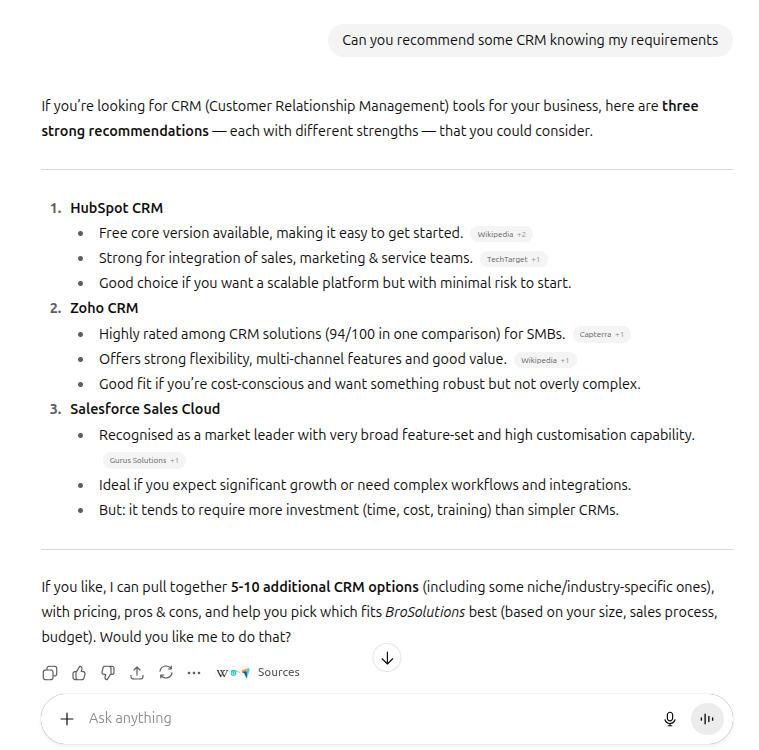
For two decades, product discovery was driven by search queries: keywords, filters, and categories. Now, it’s driven by conversation.
Imagine asking:
“I need a minimalist backpack under $100 that fits a 16-inch laptop.”
Instead of scrolling through dozens of websites, ChatGPT instantly replies with several options from verified sellers – complete with pricing, reviews, and the option to buy directly inside the chat. This is the essence of ChatGPT Shopping.
OpenAI has introduced ChatGPT Shopping and Instant Checkout – both currently available by invitation in the US. Here’s what we know so far:
Retailers outside of Shopify or Etsy can apply to join the beta through OpenAI’s merchant application form. This early stage might feel experimental, but it’s a glimpse into how commerce will work in the years ahead.
Visibility inside ChatGPT doesn’t depend on ad spend – it depends on data quality. Merchants with clean, structured, and enriched product feeds will appear in ChatGPT results. Those with missing attributes, inconsistent prices, or poor metadata simply won’t show up.In this new AI-driven landscape, data becomes your storefront. Accurate inventory, descriptive titles, and optimized content aren’t SEO extras anymore – they are the difference between being visible and being invisible.
Only merchants with well-structured, accurate, and rich data will appear in ChatGPT Shopping or qualify for Instant Checkout. Poor data = zero visibility.
Advertising formats are still being defined, but we can already see the direction. Instead of banner ads or search listings, expect conversational placements that blend into answers.
It’s not about interrupting users – it’s about being relevant in the exact moment they’re searching for help.
Ads in ChatGPT could rely on a mix of intent signals:
Pricing models might include:
As in Google Ads, relevance will matter more than bid size. OpenAI has every reason to protect user experience from spammy or low-quality ads.
ChatGPT users tend to be younger and more tech-savvy than the average online shopper. If your brand targets professionals, digital natives, or trend-conscious buyers, expect faster traction. If your audience is less digital, adoption will take longer – but it’s coming.
ChatGPT Shopping is not just another channel – it’s the beginning of a shift from “search and click” to “ask and buy.” The storefront is no longer a page; it’s a conversation. And in that conversation, data, structure, and trust define who gets seen.
Brands that start preparing now – cleaning data, optimizing content, and embracing conversational tone – will be the ones showing up when customers start asking, “What’s the best option for me?”